Why Ammonium Phosphates
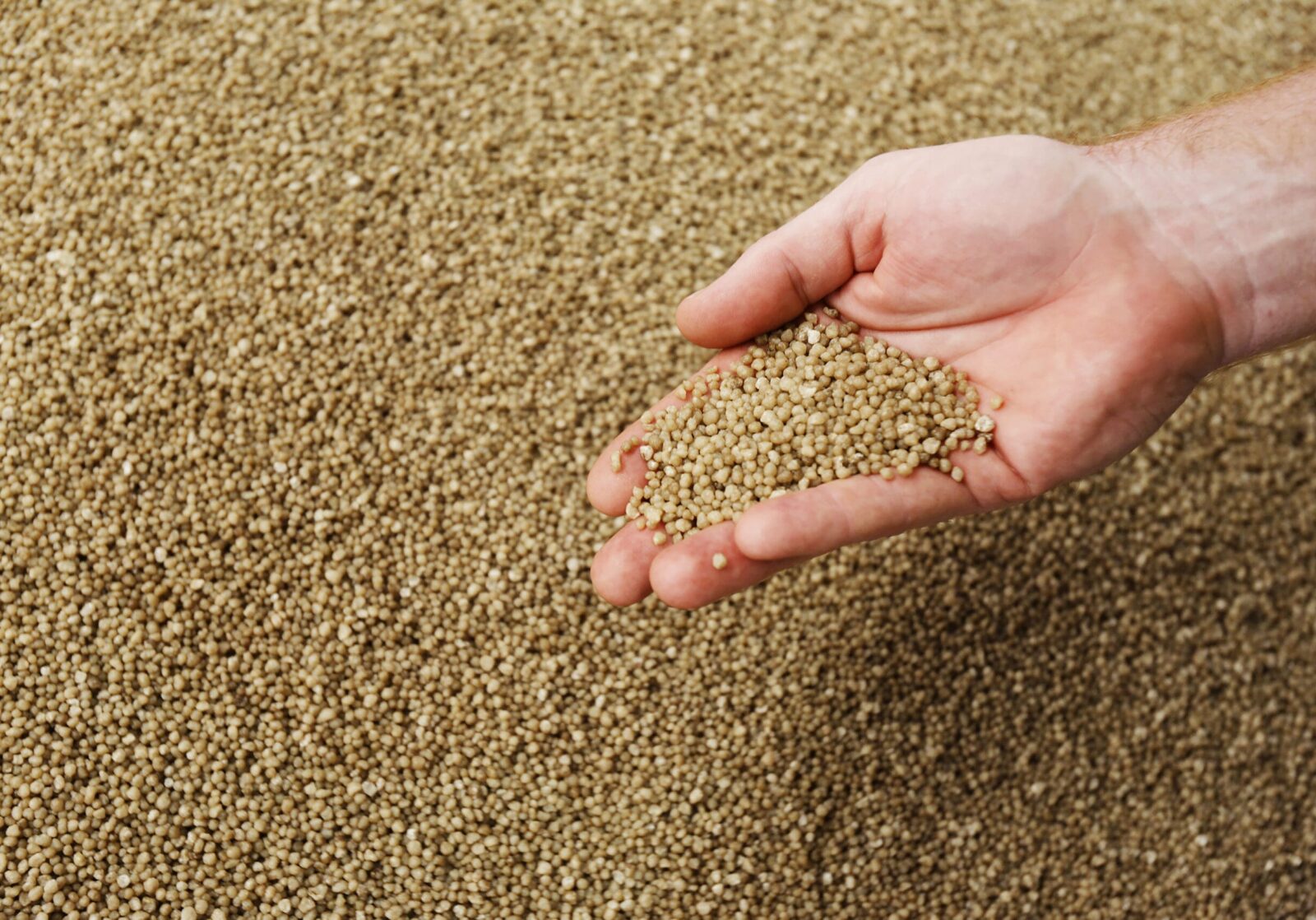
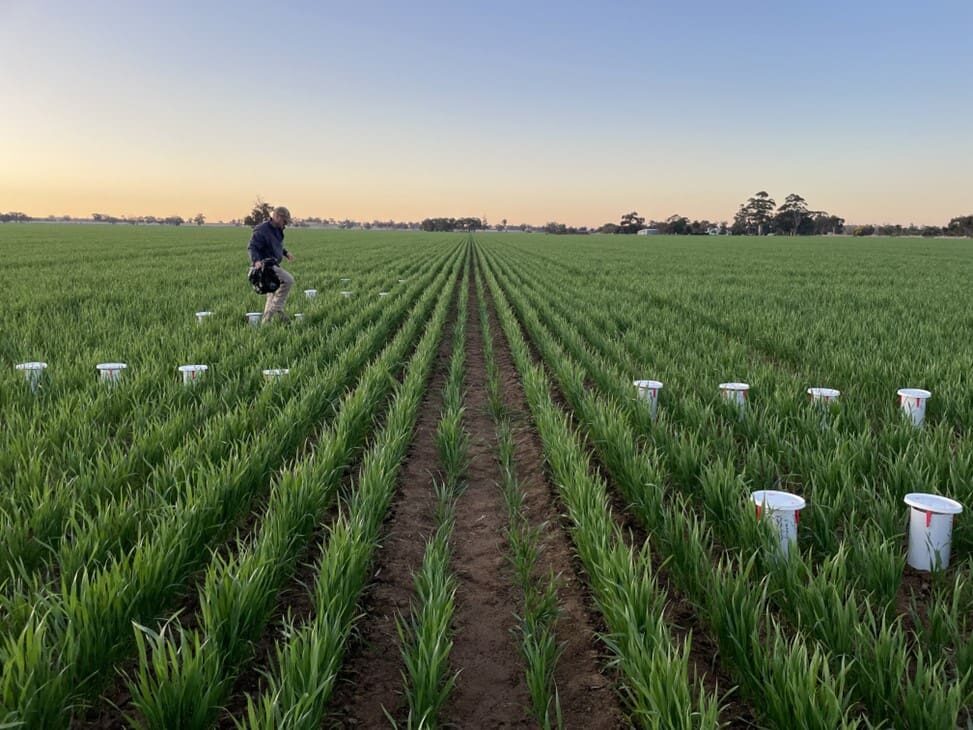
Monoammonium Phosphate (MAP) and Diammonium Phosphate (DAP) are two of the world’s most widely used fertilisers, providing essential phosphorus and starter nitrogen to support early plant growth. Their high nutrient concentrations, granulated forms, and compatibility with other fertilisers like urea make them ideal for a broad range of farming systems. Whether used individually or in blends, MAP and DAP deliver reliable, cost-effective nutrition at the start of the season, helping crops establish strong roots and consistent yields.
Overview
MAP (Monoammonium Phosphate)
MAP is a high-analysis fertiliser containing 10% nitrogen,21.9% phosphorus, and 1.5% sulphur – making it a highly efficient source of phosphorus for cropping and pasture systems. It is especially suited to situations where fertiliser is placed close to the seed, thanks to its lower risk of ammonia toxicity. This makes MAP a preferred choice for dryland cropping, wide row spacings, and sensitive crops like canola.
DAP (Diammonium Phosphate)
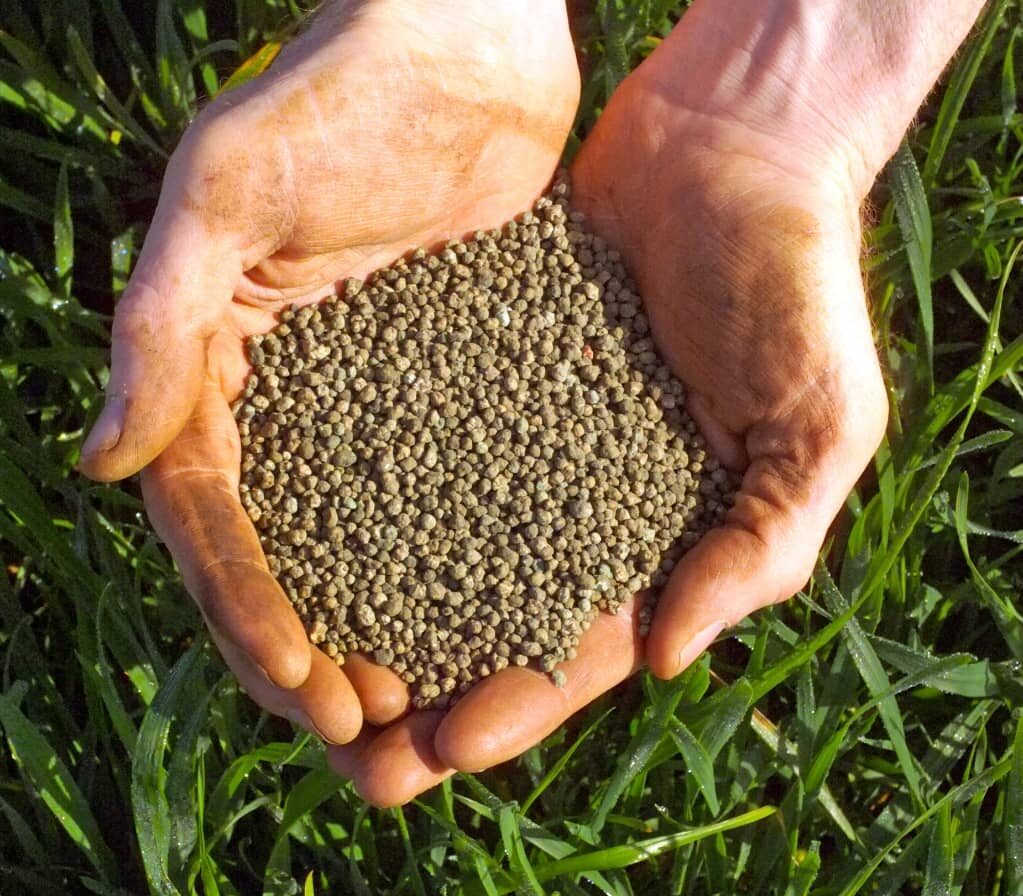
DAP delivers 18% nitrogen, 20% phosphorus, and 1.6% sulphur – offering one of the most economical and widely used sources of phosphorus worldwide. Its high nutrient concentration reduces freight and handling costs, making it a popular choice across sugarcane, horticulture, vegetable, and pasture applications. DAP is particularly effective in blends and is commonly used when seed placement is not a concern.
Quality Assurance
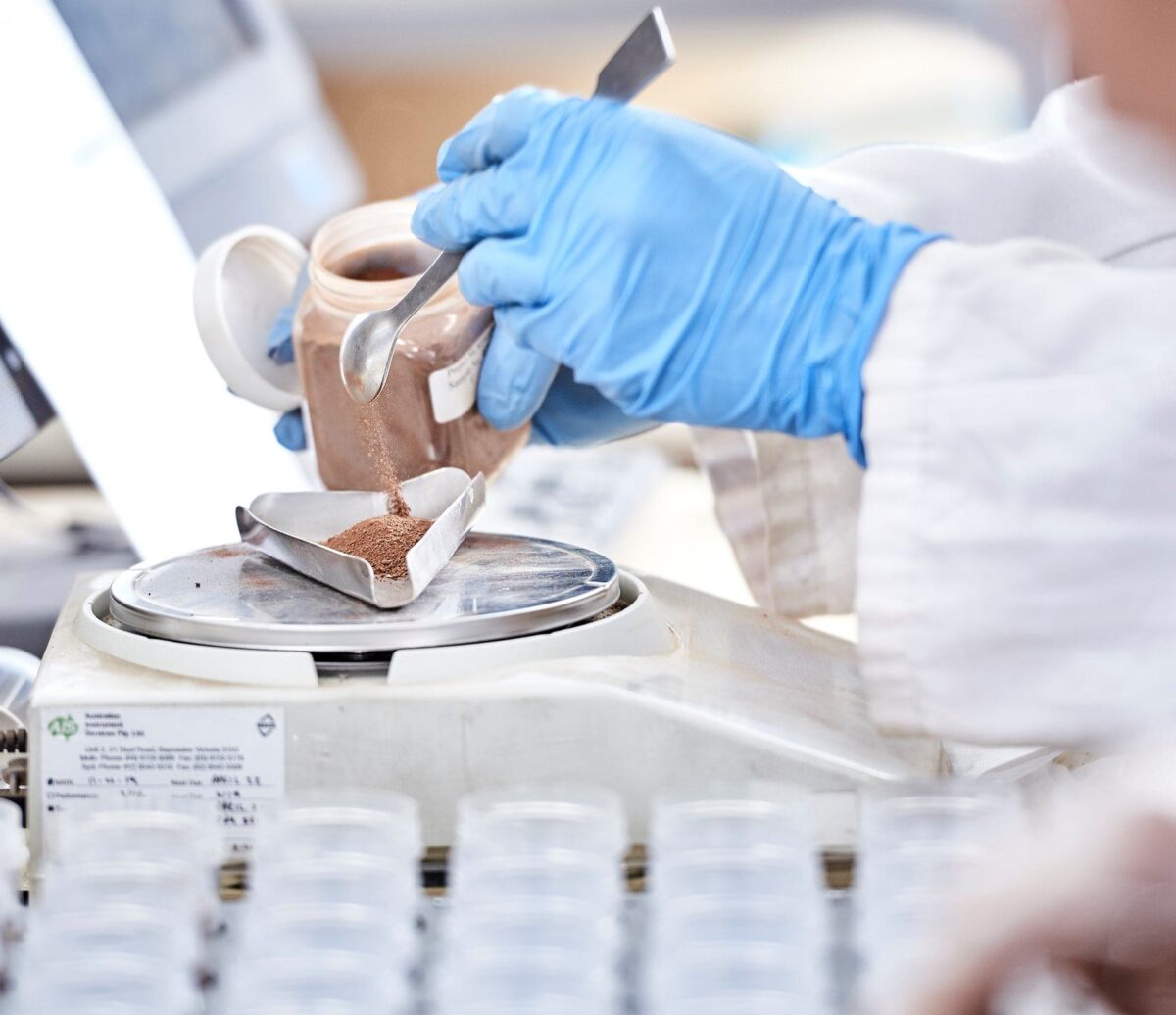
With our Nutrient Guarantee, you can trust that our MAP & DAP Foundational Fertilisers deliver exactly what’s on the label. Routine quality control testing across our supply network ensures the specifications are met every time, providing reliable, consistent nutrition for your crops.
Do you have the information to make confident plant nutrition decisions?
Visit our Resource Centre to explore practical guides, technical resources and expert insights to support your plant nutrition decisions.
Want to solve a nutritional problem, or learn more?
Complete your details to receive a call back, and talk to one of our Agronomists or Fertiliser experts.