
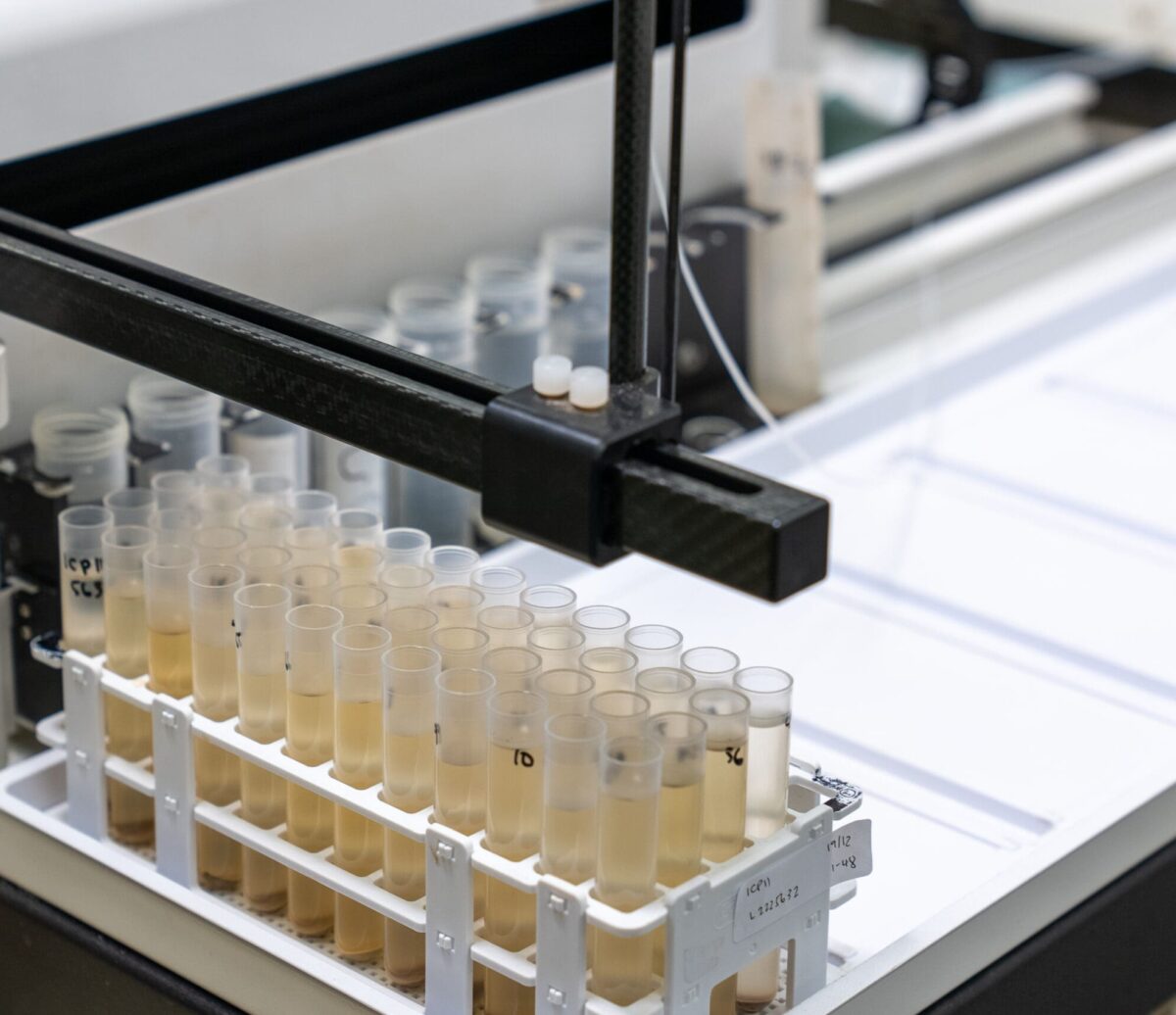
Test. Analyse. Interpret. Prescribe.
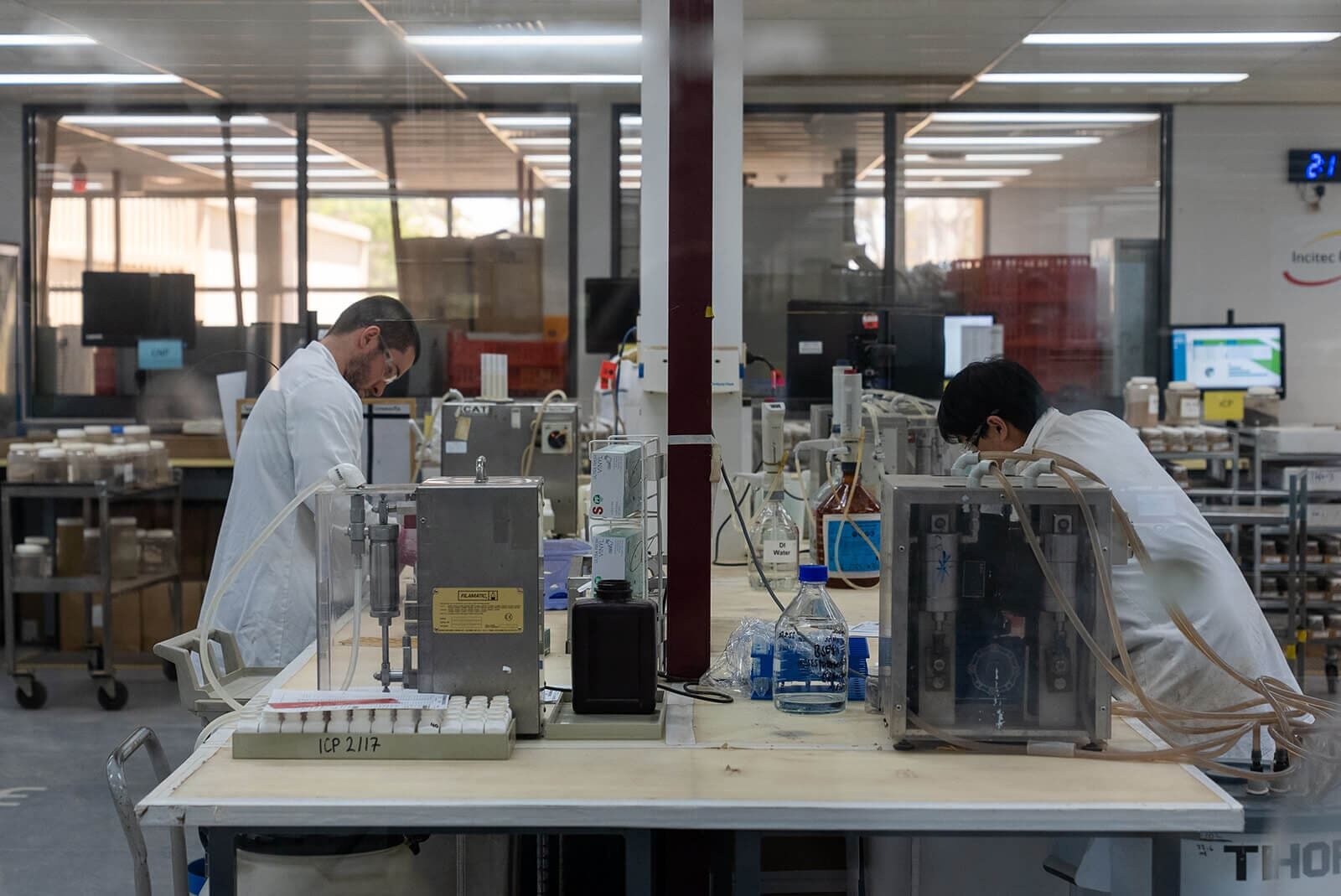
The Nutrient Advantage Laboratory is the scientific core of Incitec Pivot’s Productivity Services, delivering precise, NATA accredited analysis to inform better on-farm decisions. Established to help our customers use practical tools to cost-effectively manage their fertiliser requirements with comprehensive testing for all essential nutrients, plus other chemical and physical properties.
Our lab provides accurate, timely testing for soil, water, plant tissue, and compost, helping customers understand the true nutrient status of their farming system.
Each sample is processed by experienced laboratory technicians using recognised scientific methods backed by rigorous quality assurance and decades of analytical testing expertise.
From identifying nutrient deficiencies and imbalances to supporting environmental stewardship, the Nutrient Advantage Laboratory provides the foundation for tailored fertiliser recommendations that help our customers optimise yield, build soil health, and farm more sustainably for the future.
We translate laboratory results into practical field outcomes – helping you make confident nutrient management decisions based on evidence, not guesswork.
Soil Testing
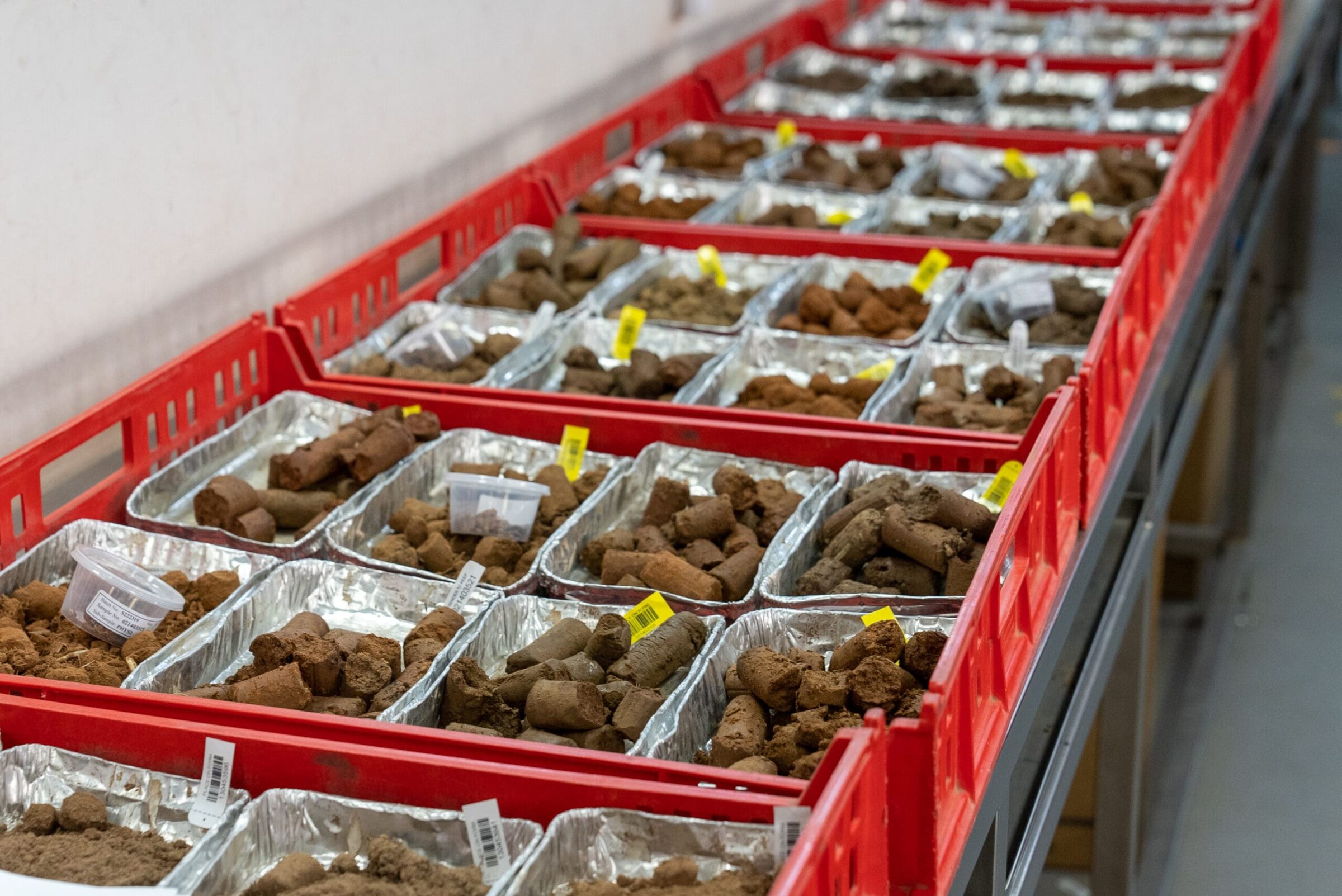
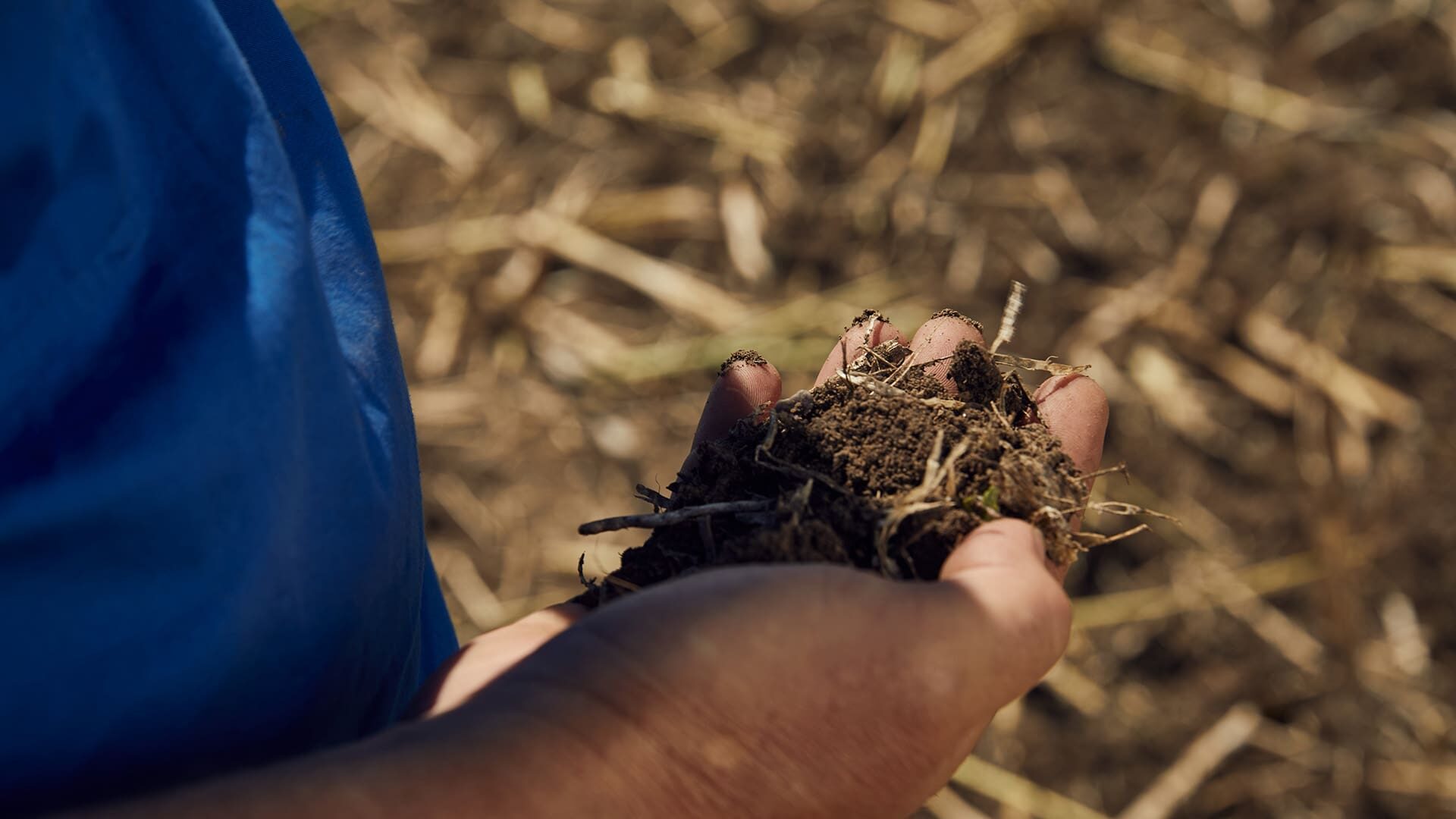
Soil testing through the Nutrient Advantage Laboratory provides a detailed understanding of your soil’s fertility, nutrient balance, and overall health. Our NATA accredited and ASPAC certified analyses deliver precise data on key biological, chemical, and physical properties, helping you make informed decisions about your fertiliser applications and nutrient inputs with confidence and accuracy.
Why test soil?
Soil analysis enables you to:
- Predict nutrient requirements based on current soil fertility levels.
- Monitor the effectiveness of fertiliser programs and adjust as needed to sustain productivity.
- Diagnose nutrient deficiencies or toxicities that may limit crop performance.
The result is a fertiliser recommendation tailored to your soil’s unique needs, ensuring optimal yield, improved soil function, and sustainable production.
Collecting a soil sample
The Fertcare Sampling Guide will assist you to obtain accurate representative samples, as well as recommend the most appropriate methods of handling and storing your soil samples. Employing these procedures will ensure that you get the most benefit out of our Nutrient Advantage service.
Getting the sample to the laboratory
- Ensure that you have at least 500g of soil in each sample bag.
- Complete the relevant sample information on a Soil Submission Form, or alternatively you can complete within the NA Pro program or the LabSTREAM sampling app.
- Check that the barcode number on the sample bag matches the recorded information.
- Check that the customer number is correct
- Ensure a test code from the current Nutrient Advantage Price List, or a provided customised test code is recorded.
- We recommend that any paperwork is placed in a clear plastic pocket. Place the submission form and soil samples into a Freight satchel, seal and deliver to:
Attn: Sample Preparation
Nutrient Advantage Laboratory
8 South Road,
Werribee, Victoria 3030
Soil Health Test Package
The relationship between healthy soils and the environment has seen Australian soil formally identified as a significant national asset under the Federal Government’s National Soil Strategy.
Our Soil Health Package provides an integrated view of your soil’s biological, chemical, and physical condition – delivering the key metrics needed to build long-term resilience and productivity.
Find out more Soil Health Test Package Fact Sheet
Water Testing
Water testing helps assess the chemical and biological properties of irrigation, hydroponic, run-off/recycled, liquidised composts and stock water, ensuring suitability for crop, soil, and livestock health. Nutrient Advantage Laboratory analyse water from bores, streams, and storage to identify potential risks and guide more efficient nutrient and irrigation management and environmental monitoring.
Why test water?
Water quality influences nutrient availability, soil structure, and plant health. Regular testing helps you:
- Determine irrigation water suitability and salinity risk.
- Assess stock drinking water quality and mineral content.
- Evaluate water for use in fertigation or as a carrier for soluble fertilisers and agricultural chemicals.
Note: Nutrient Advantage does not analyse and assess water to be used for human consumption.
If a wide range of biological and organic chemical properties (e.g. algae, pesticides) need to be evaluated the sample should be sent to a suitable laboratory which can provide such analyses or assessments.
How it helps
By identifying potential imbalances or contaminants, water testing supports efficient fertiliser use and soil management – preventing long-term issues such as salinity, nutrient lock-up, or poor crop performance.
Collecting the water sample
- Before starting, read the Water Sampling Procedure for instructions on how to take water samples for analysis by the Nutrient Advantage Laboratory.
- Collect water samples using clean plastic bottles for sampling.
- Fill bottles to the brim before sealing the lid tight to avoid liquid leaking, bottle crushing or expansion during transport to the laboratory.
Getting the water sample to the laboratory
- Ensure the bottle is sealed tight to avoid leaking.
- Complete the relevant sample information on a Water Submission Form, or within the NA Pro program.
- Check that the barcode number on the sample bottle matches the recorded information.
- Check that the customer number is correct.
- Ensure a test code from the current Nutrient Advantage Price List or a provided customised test code is recorded.
- To ensure the sample reaches the laboratory in the same condition as when it was sampled – send the sample bottle and Water Submission Form, as soon as possible by Express Courier to the laboratory.
- For the best results, DO NOT send water samples through the normal postal service.
- We recommend that any paperwork is placed in a clear plastic pocket.
- Place the submission form and samples into a freight satchel, seal and deliver by express courier service to:
Attn: Sample Preparation
Nutrient Advantage Laboratory
8 South Road,
Werribee, Victoria 3030

Plant Tissue Testing
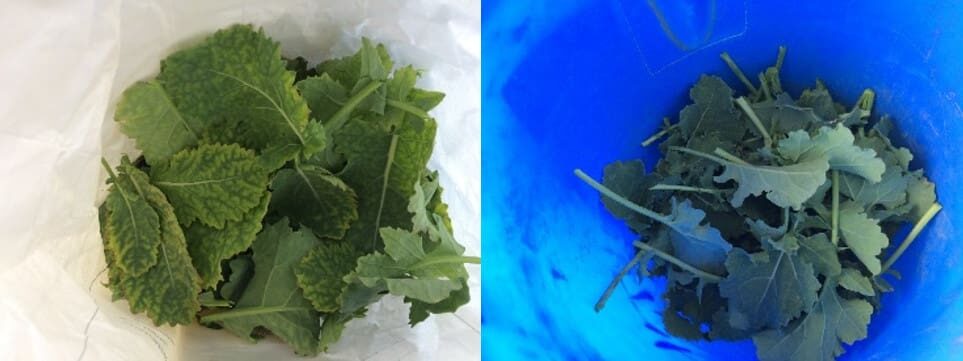
Plant tissue testing helps assess the nutrient status of growing crops, enabling farmers to diagnose issues, optimise fertiliser programs, and support higher yields. The NATA accredited and ASPAC certified Nutrient Advantage Laboratory analyse plant tissue for a wide range of nutrients, while grain testing is also available to determine nutrient content, nutrient removal, and seed quality.
Why sample plant tissue or grain?
Plant tissue analysis helps you:
- Diagnose causes of poor growth or identify accumulation of mineral elements toxic to plants.
- Monitor and refine current nutrient management practices to maintain optimum yields.
Grain or seed nutrient testing helps you:
- Determine farm-specific nutrient removal rather than relying on generalised values.
- Assess nutritional value and suitability for planting.
How it helps
Plant tissue and grain testing provide insight into how well your crop is utilising supplied nutrients. This allows more accurate and efficient fertiliser adjustments, supports targeted correction of deficiencies, and helps prevent long-term productivity impacts.
Collecting a plant tissue or grain sample
- Before sampling, establish an appropriate program using the Fertcare Plant Tissue Sampling Guide.
- Each crop requires the correct plant part sampled at the correct growth stage, refer to the Fertcare Plant Tissue Sampling Guide for details.
- Collect the recommended amount of plant tissue for your crop (typically several leaves or at least 10 g oven-dry weight).
- Place plant tissue samples in paper bags to absorb moisture and prevent deterioration during transport.
- Grain or seed samples should be placed in plastic ziplock bags with air removed.
- Send samples to the laboratory as soon as possible using Express Courier.
Getting the sample to the laboratory
- Ensure each sample bag contains:
- A sufficient number of plant tissue leaves or minimum 10 g oven-dry material; or
- A large handful of grain/seeds in a ziplock bag.
- Complete the relevant sample information on:
- A Plant Tissue Submission Form, NA Pro program, or LabSTREAM sampling app.
(Grain samples are submitted under plant tissue.)
- Check the following:
- Barcode on the sample bag matches the recorded details.
- Customer number is correct.
- Test code matches the current Nutrient Advantage Price List or your customised test code.
- Place paperwork in a clear plastic pocket.
- Place samples and submission form into a freight satchel, seal, and send by Express Courier to:
Attn: Sample Preparation
Nutrient Advantage Laboratory
8 South Road,
Werribee, Victoria 3030
Compost or Manure Testing
Compost and manure testing determines the concentration of nutrients supplied by these organic amendments, allowing farmers to adjust commercial fertiliser rates with confidence. Nutrient Advantage analyse compost and manure to help growers understand nutrient contribution and variability.
Why sample compost or manure?
Nutrient content in composts and manures varies significantly due to differences in raw materials and environmental conditions. Testing helps farmers:
- Understand nutrient levels supplied from organic sources.
- Adjust fertiliser programs accurately to meet crop requirements.
- Reduce the risk of under- or over-application of nutrients.
Collecting a compost / manure sample
Compost and manure piles are rarely uniform. For accurate results:
- Before commencing, please refer to the Compost & Manure Sampling Procedure
- Take multiple sub-samples from different parts of the pile.
- Combine these into one representative sample for testing.
- Follow the recommended procedures in Australian Standard AS4454 (2012) for composts, soil conditioners, and mulches.
(These standards also apply to manures due to lack of specific manure sampling standards.)
Moist compost and manure can deteriorate quickly – send samples as soon as possible using Express Courier.
Getting the sample to the laboratory
- Ensure a minimum of 100 grams of sample is placed in each bag, bottle or container as suits the material.
- Complete the relevant sample information on:
- A Compost & Manure Submission Form, NA Pro program (under “plant tissue”), or
- LabSTREAM sampling app (under “plant tissue”).
- Check the following:
- Barcode matches the sample bag or bottle.
- Customer number is correct.
- Appropriate test code from the current Nutrient Advantage Price List (or your customised code) is recorded.
- Seal sample bags, bottles or containers tightly to prevent leakage or odour during transport.
- Double bagging is recommended.
- Place submission form in a clear plastic pocket.
- Place the samples and paperwork into a freight satchel, seal, and send via Express Courier to:
Attn: Sample Preparation
Nutrient Advantage Laboratory
8 South Road,
Werribee, Victoria 3030
Resources

Want to solve a nutritional problem, or learn more?
Complete your details to receive a call back, and talk to one of our Agronomists or Fertiliser experts.